- Loans
- Deposits
- Cards
- Payments and transfers
- Premium offers
-
Other services
- Coin store
- Buying bank metals
- Personal banking safes
- DGBU
- Currency swap for private clients
- Forward transactions for individuals
- Depositary activity
- Mobile banking Pivdenny Online
- Chatbot
- Apple Pay
- Google Pay
- Pivdenny MyBank internet banking
- BankID
- Mastercard Більше
- Promotion winners
- Insurance
- Sevrice Click to Pay
How to Build a Strong Service Culture for Employees: Pivdenny Bank’s Experience
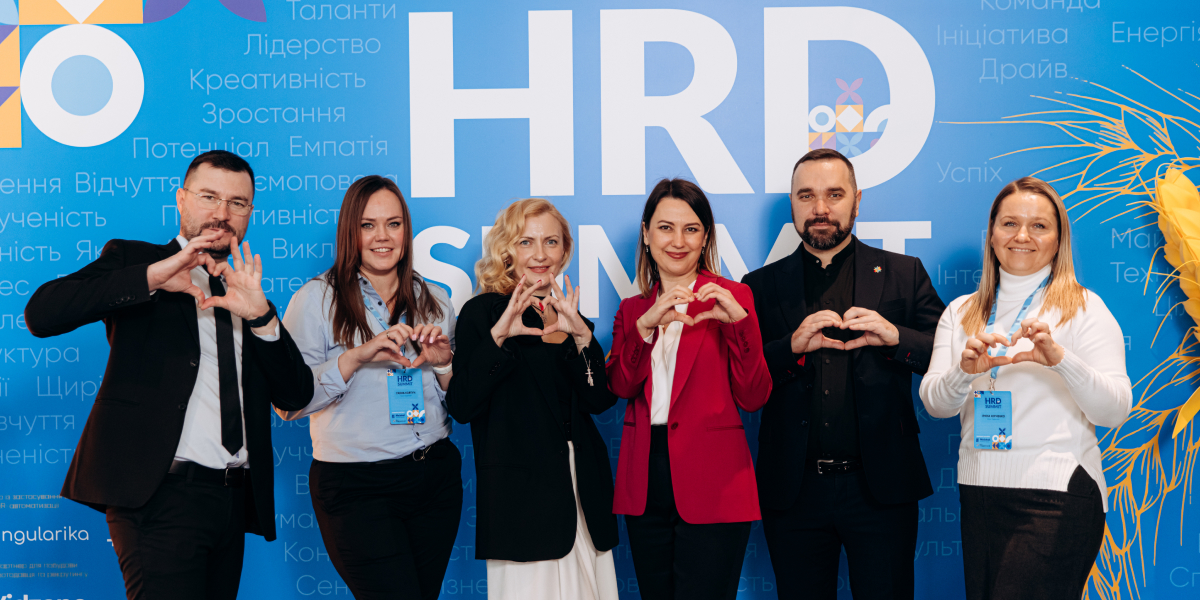
Internal service is the key to an outstanding customer experience. Yuliia Titurenko, Director of the Human Capital Development Department at Pivdenny Bank, spoke about this and how to engage the entire team in improving internal service during her speech at the HRD Summit.
Corporate Culture as the Foundation for Change
Our strategic goal is to be the first-choice bank for large and medium-sized corporate businesses, their owners, and executives. What matters most to our target clients? Research results show that it is not the price, the app, or the products – it is service. But is it possible to build a strong service culture by focusing solely on the client? We believe it is not. Without internal service, there can be no superior customer experience – employees must first experience quality service themselves in order to provide it. This approach guided Pivdenny Bank’s service transformation as we began to build a service culture and establish our cultural code.
Service Transformation in Action
The first stage of transformation began with defining a service vision. Creating a shared understanding of what service means for all employees was the first step in achieving our ambitious goal. Together, we developed the foundation of our service vision: the pillars, components, and "never–always" rules, which became the basis for building our service culture. Following this, numerous stand-up meetings were held, during which managers and employees worked together on the service vision components, shifting attitudes towards internal and external service.
This stage lasted nearly a year. Even at this stage, the results were tangible – not only in theoretical changes but also in direct impacts on team interactions: more than 200 wow-stories about employees exceeding the expectations of both clients and colleagues.
During this time, the service vision became an everyday norm for us – in the best sense of the word.
Real Changes in Service Culture
After implementing the first stage of changes, the next crucial step was fostering a service culture within the team, where managers took on a key role. They have the greatest influence on the impressions employees receive at the company – from the moment they are hired to the moment they leave.
We created a service team, which included some of the bank’s managers and the HR team. Using examples from global companies, we analysed how service impacts teams, how employees experience it firsthand, and how the right employee experience model helps not only the company grow but also maintain a positive team environment. With this understanding, we divided the employee experience model into stages – from recruitment to leaving the company – to identify gaps and address them. We then conducted more than 50 interviews with employees at different career stages within the bank. The outcome was a set of standards for each stage of employee interaction with the company, categorised into three areas: what managers should avoid at each stage, what should be standard practice, and what could create a wow-effect.
Transparent communication, timely feedback, systematic one-on-one meetings, motivation, and support among colleagues became the foundation for long-term improvements in internal service.
Within the first month of implementing these standards, some managers realised they had already been applying these principles in their leadership approach, while others reassessed team interactions, seeing their colleagues’ aspirations and motivations from a new perspective. The feedback we received on wow-stories of implementation and change formed the foundation of the Manager’s Book.
Service Culture as the Norm
A service culture is not just a project with a start and end date. It is a process that must become part of every employee’s daily routine. It is not just a theoretical concept but a living mechanism that requires continuous development and improvement. The high level of employee engagement in the transformation process has already yielded results: improved interactions between employees, recognition of achievements, regular meetings with subordinates, and an overall increase in engagement levels.
We are now at the stage of certifying managers and developing a training programme to ensure the sustainability and future growth of our service culture. Implementing standards, rewarding employees, and providing regular feedback are just a few of the tools that help maintain and develop a service culture.
A service culture starts with the team. The true culture of a company is not found on paper or walls – it is in our actions, in the actions of our employees. That is why we continue on this path, asking ourselves every day: What are we ready to change tomorrow to improve internal service?